


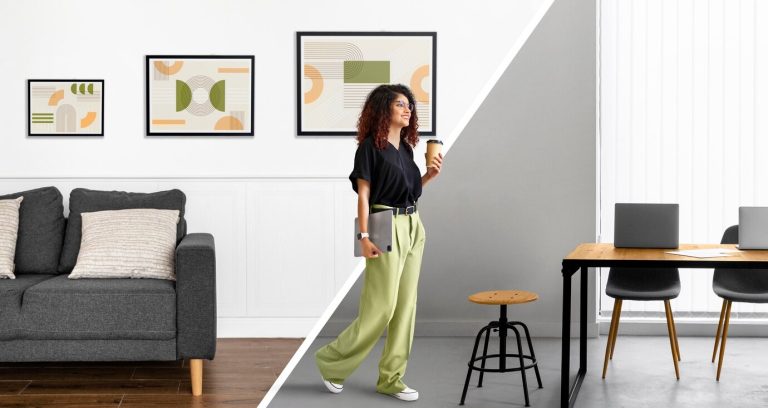
A well-designed home feels harmonious, balanced, and inviting. Achieving a cohesive interior design theme ensures that every room flows seamlessly while reflecting your personal style. Whether you prefer a modern, traditional, or eclectic look, interior remodeling contractors near me can help bring your vision to life. Here are expert tips to create a unified aesthetic throughout your home.
Before diving into design choices, define your overall theme. Do you want a contemporary, rustic, or coastal-inspired home? Gather inspiration from design magazines, Pinterest, or professional interior designers to establish a style that resonates with you.
A unified color scheme ties rooms together effortlessly. Select a primary base color that will be used throughout the home, then add complementary accent shades. Neutral tones like whites, grays, and beiges offer versatility, while bolder hues can be used to add personality and depth.
Consistency in materials—such as wood, metal, or stone—creates visual harmony. For example, if you love warm wood tones, incorporate them in flooring, cabinetry, or furniture throughout the house. Similarly, matching hardware finishes (brushed nickel, matte black, brass) in kitchens and bathrooms helps unify the design.
Using the same or similar flooring across rooms enhances flow and connectivity. Open-concept homes particularly benefit from uniform flooring materials like hardwood, luxury vinyl, or large-format tiles, which create a seamless transition between spaces.
Top interior designers recommend selecting complementary furniture styles that feel cohesive rather than perfectly matching. Stick to a common design style—whether it’s mid-century modern, farmhouse, or industrial. Mixing styles can work, but maintaining balance and proportion is key to avoiding a disjointed look.
Patterns and textures add visual interest and dimension. Repeating design elements—such as geometric prints, organic patterns, or textured fabrics—throughout different rooms creates a sense of unity without feeling monotonous.
If your home has an open-concept layout, use area rugs, furniture placement, or architectural features like beams or partial walls to subtly define spaces while maintaining a connected feel.
Lighting plays a crucial role in tying your design together. Use similar lighting styles in different rooms, such as coordinating pendant lights, wall sconces, and chandeliers. Layered lighting, combining ambient, task, and accent lighting, ensures a well-lit and inviting atmosphere.
Decorative elements like artwork, throw pillows, and plants should complement your chosen theme. While each room can have unique focal points, maintaining a consistent design language in accessories helps reinforce the overall aesthetic.
While following design principles is helpful, your home should ultimately reflect your personality and lifestyle. Incorporate meaningful elements, family heirlooms, or travel-inspired pieces to make the space uniquely yours.
Creating a cohesive interior design theme doesn’t mean every room has to look identical—it’s about maintaining harmony and balance throughout your home. Interior remodeling contractors near me can help you achieve this by carefully selecting colors, materials, furniture, and décor that complement one another, resulting in a seamless and stylish design that enhances your living space.
Looking for expert guidance? The Design Center in Long Island specializes in personalized interior design solutions to bring your vision to life. Call us at 631-256-5991 or email us at info@thedesigncenterli.com to start transforming your home!