


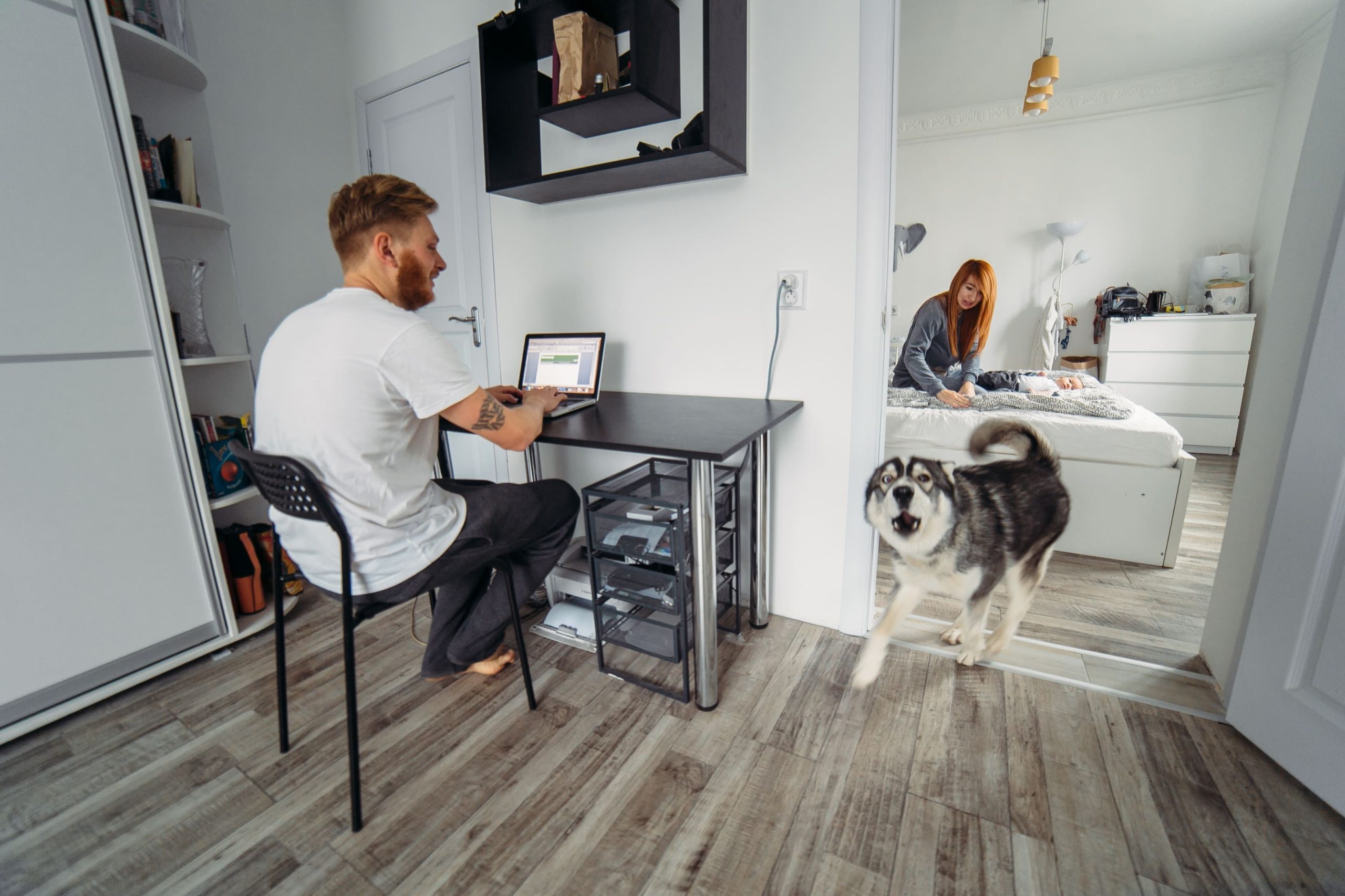
Modern homes are evolving to meet the needs of busy households, remote work, and flexible lifestyles. Today’s homeowners want spaces that do more than serve a single purpose—they want rooms that adapt throughout the day and grow with their family. By following smart family floor plan tips, it’s possible to design multi-purpose rooms that balance comfort, efficiency, and style without sacrificing visual appeal.
The foundation of any multi-purpose room is intentional planning. Before choosing furniture or finishes, consider how the space will be used daily, weekly, and long-term. A room might function as a home office during the day, a homework zone in the afternoon, and a relaxation space in the evening. Clearly defining these roles helps guide layout, storage, and lighting decisions.
Furniture selection plays a major role in versatility. Modular sofas, fold-out desks, wall-mounted tables, and storage ottomans allow rooms to change function quickly. Built-in shelving or cabinetry can house office supplies, toys, or entertainment accessories while keeping clutter out of sight. This flexibility is especially useful in open layouts where rooms need to serve multiple purposes without feeling crowded.
Instead of physical walls, use visual cues to separate functions. Area rugs, ceiling treatments, or strategic lighting can define different zones within the same room. For example, pendant lighting can designate a workspace, while softer floor lamps signal a relaxation area. These zoning techniques support family-friendly floor plan ideas by allowing shared spaces to feel organized and intentional.
Multi-purpose rooms require thoughtful storage solutions. Vertical storage, hidden compartments, and custom built-ins help maintain a clean, streamlined look. Storage benches, floating shelves, and under-desk cabinets ensure that every item has a place, making it easier to transition between activities without constant reorganization.
Lighting should adapt to different functions. Layered lighting—combining overhead, task, and accent lights—allows homeowners to adjust brightness based on activity. Acoustic considerations are equally important; rugs, curtains, and upholstered furniture can help absorb sound, making shared spaces more comfortable for work, study, and relaxation.
Multi-purpose rooms benefit from finishes that are both durable and timeless. Neutral color palettes provide flexibility as furniture and functions change, while durable flooring and easy-to-clean surfaces support everyday use. This approach ensures the space remains stylish and practical for years to come.
A truly functional room anticipates change. Whether accommodating a growing family, new hobbies, or evolving work needs, designing with adaptability in mind ensures your home remains efficient and comfortable over time.
If you’re ready to apply smart family floor plan tips and create multi-purpose spaces that work beautifully for your lifestyle, The Design Center LI is here to help. Our design experts specialize in functional layouts, custom finishes, and thoughtful space planning tailored to modern living. Call 631-256-5991 or email info@thedesigncenterli.com to schedule a consultation and start transforming your home with confidence.