


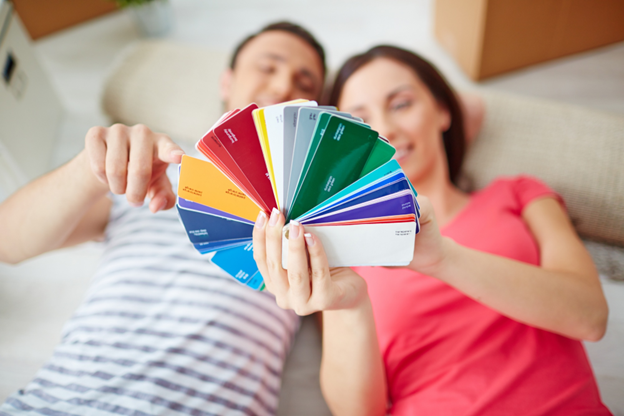
Color plays a powerful role in shaping how a home feels. It influences mood, energy levels, and even how spacious or cozy a room appears. Understanding color psychology helps homeowners make intentional design choices that improve both comfort and style. Many people turn to interior designers’ color ideas to better understand how different shades can transform a living space into something more harmonious and expressive.
Every color evokes a different emotional response. Blues and greens are often associated with calmness and relaxation, making them ideal for bedrooms and bathrooms. Warm tones like reds, oranges, and yellows can create energy and warmth, which work well in kitchens and social spaces. Neutral colors such as beige, gray, and white provide balance and flexibility, allowing other design elements to stand out.
A strong color palette typically starts with a base neutral tone. This foundational color sets the mood for the entire home and allows accent colors to be layered in effectively. Soft whites, warm taupes, or cool grays are popular choices because they adapt easily to different design styles and lighting conditions.
Accent colors add personality and depth to a space. These can be introduced through furniture, artwork, textiles, or feature walls. The key is balance—too many bold colors can feel overwhelming, while too few can make a space feel flat. A thoughtful combination of tones helps create visual interest without disrupting harmony.
Different rooms serve different purposes, so color choices should reflect their function. For example, calming tones are ideal for bedrooms, while vibrant hues can energize kitchens and dining areas. Living rooms often benefit from a balanced palette that encourages relaxation and conversation. Using a consistent flow of color throughout the home ensures cohesion while allowing each room to maintain its own identity.
Lighting can dramatically change how colors appear. Natural light enhances brightness and clarity, while artificial lighting can shift tones to be warmer or cooler. It’s important to test paint samples in different lighting conditions before making a final decision to ensure the desired effect is achieved throughout the day.
Modern interiors are embracing earthy tones, muted palettes, and nature-inspired shades. Deep greens, terracotta, dusty blues, and warm neutrals are especially popular. These colors create a sense of calm while maintaining a sophisticated and timeless aesthetic. Professional guidance, such as an interior designer’s home color palette planning, can help homeowners select combinations that feel both current and long-lasting.
While trends can be inspiring, the best color palette is one that reflects your personality and lifestyle. Whether you prefer bold contrasts or soft, monochromatic schemes, your home should feel authentic to you. Thoughtful color selection ensures your space remains enjoyable and visually appealing for years to come.
Color psychology is a powerful tool in interior design, helping homeowners create spaces that are not only beautiful but also emotionally supportive. By understanding how colors influence mood and flow, you can design a home that feels balanced, intentional, and uniquely yours.
If you’re ready to explore expert guidance and discover the perfect palette using professional interior designers’ color ideas, The Design Center LI is here to help. Our team specializes in creating customized color schemes that enhance mood, improve flow, and elevate your entire home design. Call 631-256-5991 or email info@thedesigncenterli.com to schedule your consultation and bring your ideal home color palette to life with expert support.