


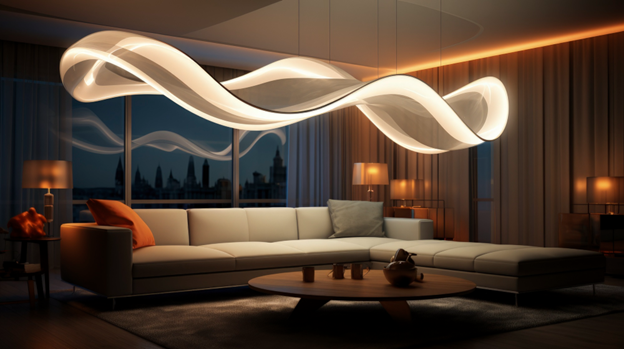
Lighting is one of the most powerful yet often overlooked elements in interior design. It shapes mood, highlights architectural features, and influences how colors and textures appear in a space. Understanding how lighting affects interior design can completely change the way a home feels, making rooms more functional, inviting, and visually balanced.
A well-designed space uses a combination of three lighting layers:
● Ambient lighting provides overall illumination for the room.
● Task lighting focuses on specific activities like cooking, reading, or working.
● Accent lighting highlights artwork, textures, or architectural features.
Blending these layers ensures a space is both practical and visually dynamic. Relying on just one type of lighting often results in flat, uneven, or overly harsh environments.
Natural light is one of the most valuable resources in interior design. Large windows, skylights, and open layouts allow sunlight to enhance colors and improve the overall atmosphere of a home. Designers often position furniture and reflective surfaces strategically to maximize daylight and reduce the need for artificial lighting during the day.
Lighting fixtures are both functional tools and design statements. Pendant lights, chandeliers, recessed lighting, and wall sconces all contribute differently to a room’s aesthetic. When selecting fixtures, it’s important to consider scale, style, and placement. Oversized fixtures can overwhelm a space, while undersized ones may not provide enough impact or illumination.
Lighting color temperature plays a significant role in setting the mood. Warm lighting creates a cozy, relaxing atmosphere, making it ideal for living rooms and bedrooms. Cool lighting is more energizing and works well in kitchens, bathrooms, and workspaces. A balanced approach ensures that each room supports its intended function.
Strategic lighting can emphasize key design elements such as textured walls, built-in shelving, or ceiling details. Accent lighting draws attention to these features and adds depth to the overall design. This technique is often covered in any comprehensive interior design lighting guide, as it helps transform ordinary rooms into visually striking spaces.
Smart lighting systems allow homeowners to control brightness, color, and scheduling through mobile apps or voice commands. These systems improve convenience while enhancing energy efficiency. They also allow for customizable moods, making it easy to shift from bright task lighting during the day to soft ambient lighting in the evening.
The best lighting designs strike a balance between beauty and practicality. While statement fixtures add personality, the overall lighting plan should prioritize comfort and usability. A thoughtfully layered design ensures that every part of the home is both functional and visually appealing.
Lighting is a fundamental part of interior design that influences how a space looks, feels, and functions. By choosing the right combination of natural light, fixtures, and layering techniques, homeowners can dramatically improve their interiors.
If you want to better understand how lighting affects interior design and create a home that feels beautifully balanced and functional, The Design Center LI can help. Our design experts specialize in customized lighting plans that enhance mood, highlight architecture, and elevate every room in your home. Call 631-256-5991 or email info@thedesigncenterli.com to schedule a consultation and start transforming your space with professional lighting design expertise.